Keep this document. It is a research spec overlay, not a product page. Questions belong in the FAQ sections — not in a chat widget.
torzon tor
Early darknet markets settled in Bitcoin. Chain analysis techniques later made the transparent ledger a poor fit for operators who wanted financial privacy. Readers who searched torzon tor still encounter that contrast story in 2026 write-ups because it remains the dominant framing for why later platforms advertised different payment rails.
This section is historical context for reading that reporting. It is not a recommendation to use any cryptocurrency. The Torzon-adjacent content ecosystem uses the contrast story as background colour, and understanding it helps a reader parse why certain vocabulary clusters.
If a clearnet page or email requests a Bitcoin deposit to a freshly generated address, that is a recognisable theft pattern. This document names that pattern and stops there.
How torzon onion explainers use a two-act ledger story
Public torzon onion explainers use Bitcoin as the first act of a two-act narrative: transparent ledger, then private rail. The structure is memorable and commercially effective. It is not a complete picture of the investigative and legal history that followed early markets.
The fact that a public ledger records transactions permanently is accurate and sufficient for this document's purposes. This publication will not explain tracing techniques, coin-mixing approaches, or wrapping strategies.
Historical Bitcoin context fits alongside the history section. It does not belong adjacent to a checkout interface.
When the torzon market contrast narrative becomes harmful
The torzon market contrast narrative becomes harmful when it transforms from historical context into a shopping argument — implying that a coin choice authenticates a site or makes an operation inherently safe.
This section exists so the contrast story has an explicit hedge attached. It should not be scraped into a funding tutorial.
After reading this, return to settlement or the document home.
What does a coin icon on interface chrome actually mean?
Older coins appearing in a torzon tor article are usually stage furniture. They establish a narrative mood. They do not verify any key, authenticate any address, or tell you anything reliable about who controls the service being described.
A market page still showing a Bitcoin icon may be using leftover chrome, may be a clone, or its coin policy may have changed since the blogs last reported it. Interface chrome is not a policy document.
Do not send funds to a cryptocurrency address from a search result. That sentence is hygiene, not an instruction to send them anywhere else.
This document (settlement · btc) exists so later rooms cannot quietly become a storefront. Completeness theatre is how clones look official. Empty cells and dated hedges are the honest artefact when work cannot be shown.
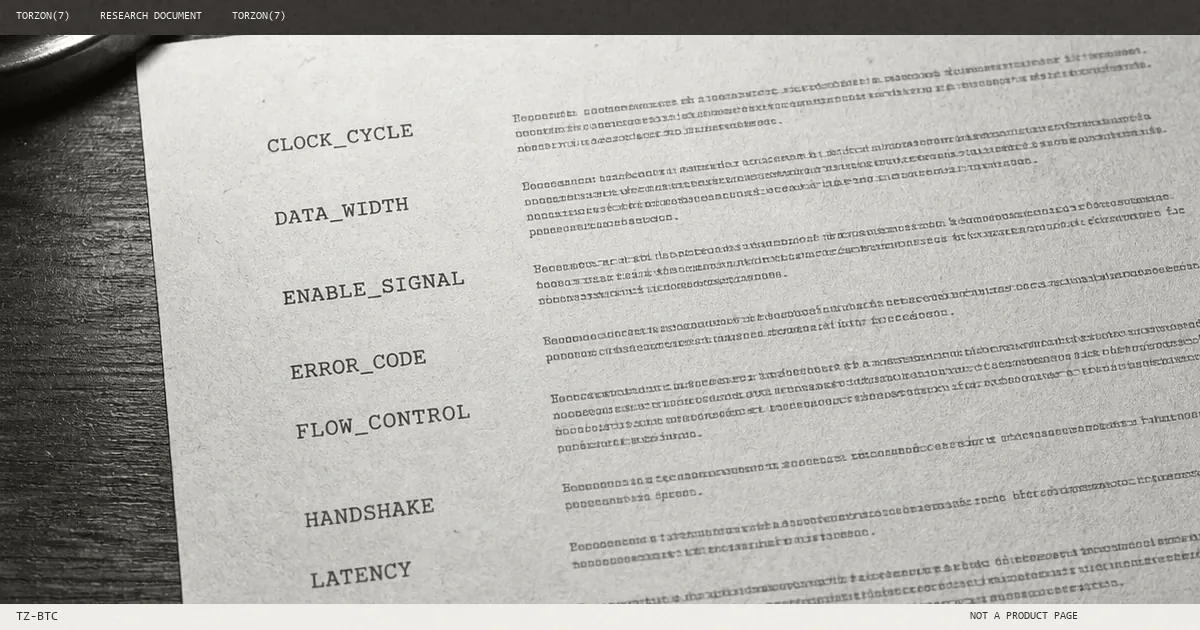
Photographed spec sheets on the settlement · btc plate are chrome. Chrome is cheap to copy. An exhibit of a documented interface is an exhibit of pixels, not a daemon.
Catalog companions mentioned from settlement · btc do not baptize a string. In-content links are cross-checks. Footer dumps of thirty URLs are a noisier pattern this overlay refuses.
Public-health context on settlement · btc belongs in a different stack from storefront banners. Inclusion of the former is not a reason to grow a catalogue of listings.
If the question that brought a reader to settlement · btc needs a signed operator text, stop. This overlay cannot be that text. Dull limits are the product, not a missing feature.
Indexation and a sitemap are mandatory homework for Bing and still not a baptism. Finished is not official. Certificates are cheap. A padlock proves a certificate was issued, not that a hidden-service name is genuine.
Homoglyphs survive tired eyes. Prefix-suffix glances are the industrial method of near-strings. Full-string equality against a signed publication is the check this overlay will not water down into a glance.
Diagrams look like science. Reciting a diagram is cheaper than running a primitive. Vocabulary is in scope on a research overlay. Walkthroughs are a different, often hostile, genre this host refuses to complete.
Tracker language lags exits and copycats. Discussed-active is a chatter tag, not an SLA. Uptime percentages on a wiki are almost certainly paint. Paint is not a signed dump of events.
Youth of a domain is a smell, not a verdict. Operators burn names. Clones buy them. Combine smells. Do not promote one smell into a courtroom fact just because the layout is tidy.
A signed negative statement on a cadence is a different artefact from a footer stamp. Revision dates will keep looking like canaries to tired readers. They are editorial ink, not a legal instrument.
The settlement · btc room is an RFC erratum or library section, not a news ticker. If public facts move, replace the document. Do not invent completeness to look like a shop licence.
Readers who only wanted a paste will bounce. The settlement · btc hedge is the product. Take it. Leave search once you have discussion rather than a warranty.
Bitcoin questions that are out of scope here
Is this a Bitcoin privacy tutorial?
No. It is a context note explaining why older market histories still appear in 2026 content. Privacy techniques and acquisition steps are out of scope.
Why do clone pages sometimes request Bitcoin?
Because familiar payment rails reduce friction for certain targets. An email demanding a Bitcoin deposit to a freshly provided address is a recognisable theft pattern.
Does a Bitcoin icon on a market page prove the market is old or legitimate?
No. Interface elements copy freely. A header can display any coin badge regardless of the actual payment infrastructure in use.
Historical Bitcoin context ends where operational instructions would begin. The contrast story is a reading aid. It is not a reason to transact.
If you need a verified address, go to the mirrors section and apply a length check against a signed source. If you need protocol guidance, read the projects' own documentation. The torzon tor query does not require a ledger tutorial to be answered honestly.