Keep this document. It is a research spec overlay, not a product page. Questions belong in the FAQ sections — not in a chat widget.
torzon tor
This document cites categories of source rather than a fabricated bibliography. Readers who arrived via a torzon tor search deserve that honesty in the first paragraph. Many clearnet sites in this lane publish long reference lists populated with links that rot, point circularly to each other, or point to affiliate overlays presented as independent authorities.
If a claim appears only on SEO-optimised blogs that cite each other, it is labelled as secondary chatter. If a claim requires a PGP signature to verify and this document does not hold the key, it says so. Invented footnotes are a reliable tell of clone content.
The policy is deliberately conservative. A sparse, honest source sheet is more useful than an impressive one that cannot be independently verified.
What torzon onion forum posts fail to establish
What this document will cite: Tor Project documentation on v3 hidden services and browser behaviour; public-health harm-reduction material when discussing risk, always as context rather than product copy; journalism and threat-intelligence publications when dated, with explicit caveats about the lag and recursion typical of that ecosystem.
PGP-signed texts are cited when the reader can independently obtain the signing key from a channel they trusted before arriving here. This domain cannot establish that trust from scratch. Public torzon onion posts in community forums are not a key ceremony, and treating them as one is exactly the mistake phishing operations depend on.
What this document will not claim: internal vendor databases, uptime service-level data, verified buyer counts, or a private communication channel with the operator. See intel reading for how to evaluate information aggregators that sell that kind of certainty.
How torzon market round-ups simulate citation
The torzon market round-up economy works by collapsing active, dormant, seized, and cloned services into ranked tables, then generating traffic revenue from those tables. Tables feel like citations because they borrow the visual language of professional directories. They are typically late, commercially incentivised, and recursive.
The most useful primaries in this space are: dated screenshots with verifiable context, law-enforcement announcements, and PGP-signed operator texts. The least useful — though the most abundant — are listicles titled with a year and a countdown of the top markets.
When an intelligence publication withholds an address, that is frequently a deliberate and legitimate operational choice. Filling the gap from a search result is how phishing pages get built by people who believe they are being helpful. See report notes for the longer argument.
When is a screenshot only an exhibit of chrome?
Citing a screenshot of a torzon tor interface does not make the screenshot a primary source for key verification. It is an exhibit of chrome — evidence that a particular design existed at a moment in time, not evidence of who controls the key that generated the address. Interface themes travel freely.
Harm-reduction citations come from public-health agencies and projects with editorial accountability. They appear here so this document is not a pure search-traffic lure. They are not a catalogue of listings and do not validate any vendor's claims.
When this document and a louder wiki disagree about a fact, prefer the dated primary source over the word count. A claim without a genre label is unfinished work on this desk.
This document (sources) exists so later rooms cannot quietly become a storefront. Completeness theatre is how clones look official. Empty cells and dated hedges are the honest artefact when work cannot be shown.
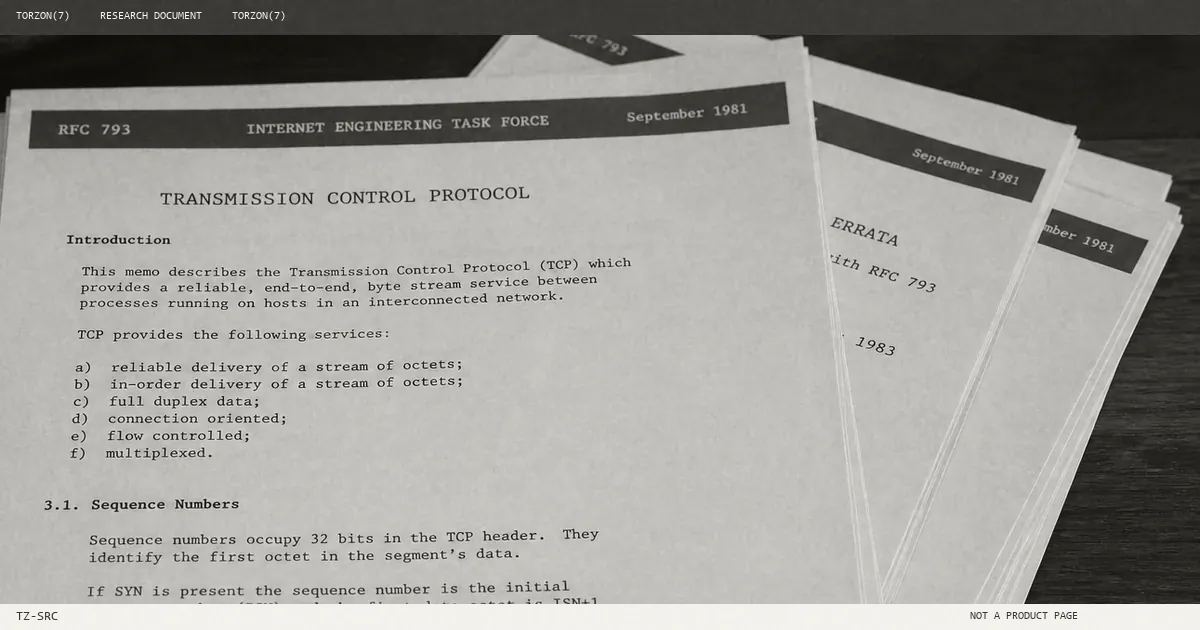
Photographed spec sheets on the sources plate are chrome. Chrome is cheap to copy. An exhibit of a documented interface is an exhibit of pixels, not a daemon.
Catalog companions mentioned from sources do not baptize a string. In-content links are cross-checks. Footer dumps of thirty URLs are a noisier pattern this overlay refuses.
Public-health context on sources belongs in a different stack from storefront banners. Inclusion of the former is not a reason to grow a catalogue of listings.
If the question that brought a reader to sources needs a signed operator text, stop. This overlay cannot be that text. Dull limits are the product, not a missing feature.
Indexation and a sitemap are mandatory homework for Bing and still not a baptism. Finished is not official. Certificates are cheap. A padlock proves a certificate was issued, not that a hidden-service name is genuine.
Homoglyphs survive tired eyes. Prefix-suffix glances are the industrial method of near-strings. Full-string equality against a signed publication is the check this overlay will not water down into a glance.
Diagrams look like science. Reciting a diagram is cheaper than running a primitive. Vocabulary is in scope on a research overlay. Walkthroughs are a different, often hostile, genre this host refuses to complete.
Tracker language lags exits and copycats. Discussed-active is a chatter tag, not an SLA. Uptime percentages on a wiki are almost certainly paint. Paint is not a signed dump of events.
Youth of a domain is a smell, not a verdict. Operators burn names. Clones buy them. Combine smells. Do not promote one smell into a courtroom fact just because the layout is tidy.
A signed negative statement on a cadence is a different artefact from a footer stamp. Revision dates will keep looking like canaries to tired readers. They are editorial ink, not a legal instrument.
The sources room is an RFC erratum or library section, not a news ticker. If public facts move, replace the document. Do not invent completeness to look like a shop licence.
Readers who only wanted a paste will bounce. The sources hedge is the product. Take it. Leave search once you have discussion rather than a warranty.
Source-policy questions that stay open
Why not publish a long footnote list?
Because links in this ecosystem rot and get replaced by clones. Citing source categories and dated genres is more durable than a cemetery of URLs. Readers can locate Tor Project documentation without this document serving as an intermediary.
Do market tracker dashboards count as primary sources?
Rarely. They are useful as chatter sensors. They are not operational databases or court records. Vendor counts and uptime percentages are marketing claims unless a signed data export exists.
Can a screenshot of a market interface serve as a source?
It can be an exhibit of the interface at a point in time. It cannot authenticate a key. Compare strings to signed documents, not to pixel arrangements.
The source policy is a brake on everything else in this publication. If a later section sounds more certain than this page warrants, come back here and ask which category of source it relied on.
The torzon tor information landscape is crowded with confident claims. This sheet exists to label the noise. Labels are not verdicts, but they make the material less dangerous to read carelessly.